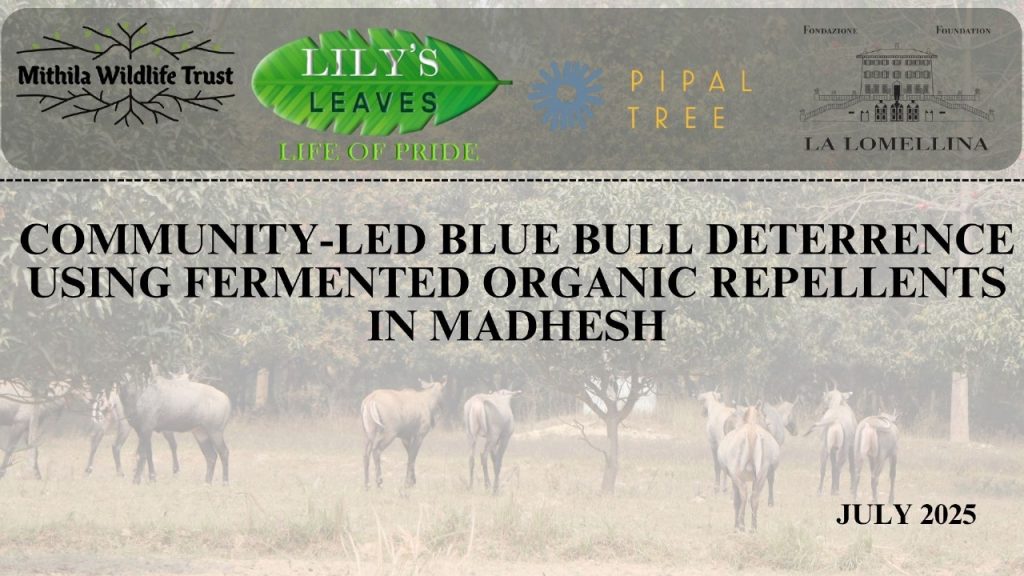
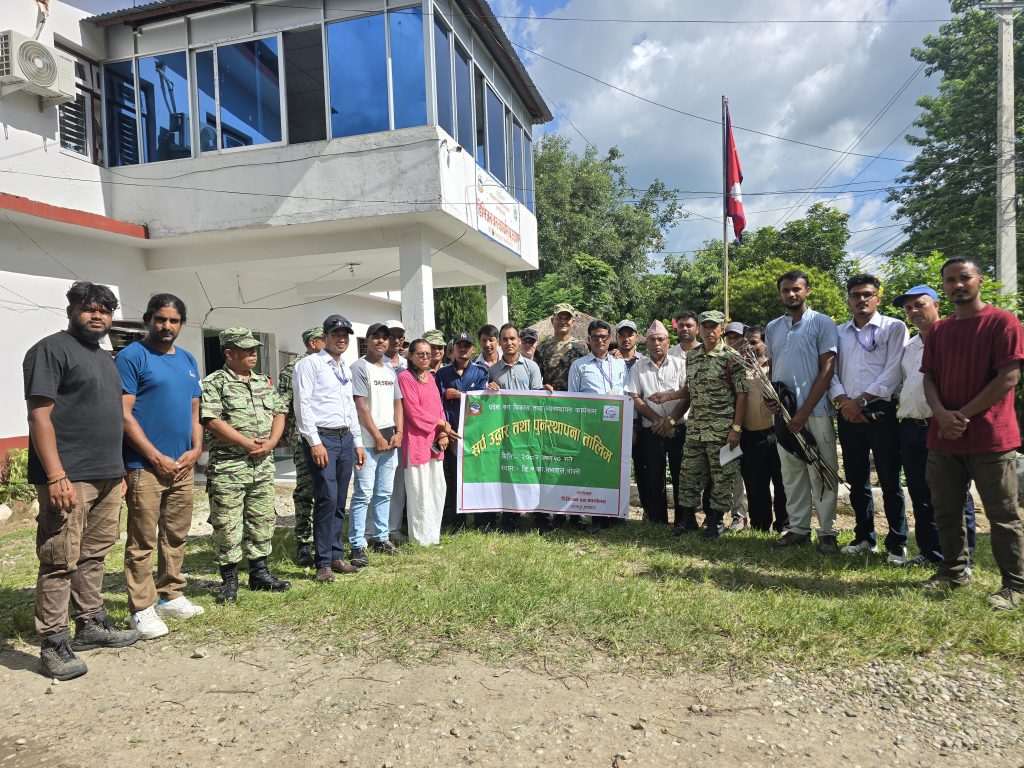
In the Madhesh region, an effort has been made to study how to control nilgai (blue bull) by producing odor from decomposing organic waste materials discarded by the community. As water sources and underground water levels are gradually decreasing, farmers in Madhesh are facing another serious challenge—crop damage caused by wild animals such as nilgai, wild boars, and monkeys. If efforts are not made to reduce crop damage caused by these animals, it will be nearly impossible to grow grains in the Madhesh region within the next few decades. Since almost every farmer is affected, we have been working for a long time on a solution that would not add financial burden and would instead use locally available, discarded plants and other organic materials to produce an odor-based natural repellent for nilgai. We believed this could provide at least some relief. As part of this ongoing effort, under the leadership of Sumit Jha—a resident of Siraha district, who studied agricultural science at Tamil Nadu Agricultural University and is now affiliated with Mithila Wildlife Trust—we prepared three types of organic repellents and conducted a six-month field trial. The repellents were sprayed in 12 different farms across 5 municipalities of Dhanusha district. The repellents were made mainly from garlic, fish waste, buttermilk, asuro (Justicia adhatoda), nirgundi (Vitex negundo), akoun (Calotropis), bakain (Melia azedarach), dhatura (Datura), bangerera, and cow dung. On average, we observed that the nilgai did not damage the crops in these fields for 12 to 28 days, depending on the repellent used. The selected farms were those where nilgai typically entered either daily or every 2–3 days. The test was closely monitored using automated camera traps to photograph every animal entering the fields, as well as 12 active farmers who directly observed the results. We are in the process of compiling all our findings into a final report, which will be followed by a press conference to publicly share the complete details. Among the three methods, the one that proved most effective—where nilgai did not enter the field for up to 28 days or, even if entered, could not eat the crops—will be demonstrated weekly at the Cultural Village in Mithila Bihari Municipality–2 (Purandaha). With a bit of effort, this method can help farmers prepare the repellent for free at home by mixing it with cow urine and keep nilgai away from their fields for up to a month. Spraying the repellent 2–3 times per crop cycle could help protect the entire harvest. We are grateful to La Lomelina, Pipal Tree, and Lily Leaves Social Enterprises for their support in this study. Thank you. मधेशमा समुदायद्वारा खेर गईरहेको जैविक पदार्थ कुहाएर गन्ध तयार पारी निलगाई नियन्त्रणका लागि अध्ययन गरिएको छ । पानीका मुहानहरु र जमिन मुनीका पानीका सतह कम हुँदै गइरहेका चुनौती जस्तै मधेशका हरेक किसानहरु निलगाई र बँदेल लगायतका वन्यजन्तुबाट पिडीत छन् । निलगाई, बँदेल र बाँदर लगायतका वन्यजन्तुबाट हुने वालीनालीका क्षती न्यूनिकरण गर्न प्रयास गरिएन भन्ने अबको केही दशकमा मधेशमा अन्नबाली उब्जाउन लगभग असम्भव हुनेछ । हरेक किसान पिडीत रहेकोले थप आर्थिक भार नहुने र आफ्नै घर वरिपरि खेर गईरहेका वनस्पती र अन्य जैविक पदार्थहरु प्रयोग गरी गन्धमा आधारित निलगाई धपाउने औषधी यसमा थोरै भए पनि राहत दिने भन्ने आशाका साथ हामी यस बिषयमा लामो समय देखी काम गर्ने प्रयास गरिरहेका थियौँ । यसैको निरन्तरता स्वरुप हामीले तामिलनाडु कृषि विश्वविद्यालयबाट कृषी विज्ञान पढेर यस मिथिला वाईल्डलाईफ ट्रष्टसँग आबद्ध रही अनुसन्धाम गरिरहेका सिरहा जिल्ला निवासी सुमित झाको नेतृत्वमा मधेशका किसानहरुको बालीनालीमा क्षती पू¥याउने निलगाईलाई आफ्नो खेतबारीबाट कसरी टाढा राख्न सकिन्छ भनेर अध्ययन गर्ने क्रममा तीन प्रकारका जैविक औषधी तयार पारी ६ महिना लगाएर ट्रायलको रुपमा धनुषा जिल्लाका ५ ओटा पालिकाको १२ ओटा खेतमा औषधीको छिर्काब गरि अनुसन्धान गरेका छौँ । औषधीहरुमा मुख्य रुपमा लसुन, माछाको वेष्ट, छाँछ, असुरो, निर्गुण्डी, अकौन, बकाईन, धथूरा, बंगरेरा र गाईको गौँत जस्ता सामग्रीहरु प्रयोग गरेर तीन प्रकारका औषधीहरु तयार पारेका छौँ । औषत रुपमा फरक फरक तरिकामा १२ देखी २८ दिन सम्म खेतबारीमा निलगाईले कुनै क्षती नपूर्याएको अनुभव रह्यो । छनौट गरिएका खेतहरु लगभग दैनिक अथवा २–३ दीनको अन्तरालमा नियमित निलगाई प्रवेश गर्ने खेतहरु थिए । खेतमा स्वचालित क्यामेरा ट्रैपको मदतले आवतजावत गर्ने हरेक जनावरको फोटो लिएर र १२ जना सक्रिय किशानहरुको प्रत्यक्ष निगरानीमा औषधीको छरिएका थियौँ । हामीले आफ्ना अनुभवहरु समेटेर एउटा अन्तिम प्रतिबेदन तयार पार्दैछौँ र त्यसपछि सम्पूर्ण विवरण सहित पत्रकार सम्मेलन गरेर सार्बजनिक गर्नेछौँ । तीन मध्ये सबैभन्दा बढी २८ दिन सम्म नीलगाई खेतमा नछिरेको अथवा छिरेर पनि वाली खान नसकेको तरिका हामी मिथिला विहारी न.पा.–२ (पुरण्दाहा) स्थित कल्चरल भिलेजमा साप्ताहिक रुपमा औषधी बनाउने तरिका सिकाईनेछ । यस बिधीले अलिकती मात्रै मिहीनेत गरेर आफ्नै घरमा निःशूल्क औषधी तयार पारी गौमूत्रमा मिलाएर सजिलै निलगाईलाई खतबाट एक महिना सम्म पर राख्न सकिने र एउटा बालीमा २–३ पटक छरेर बाली घर भित्राउन सक्ने विश्वास छ । यस अध्ययनका लागि ला लोमेलिना, पीपल ट्री र लिली लिभ्स सोसियल ईन्टरप्राईजेजको सहयोगका लागि हामी सम्पूर्ण टीम आभारी छौँ । धन्यवाद ।