COMMUNITY-LED CONSERVATION IN NEPAL
Protecting Wildlife. Restoring Nature. Strengthening Communities.
MWT works with communities across Nepal to protect wildlife, restore habitats and create a safer future for people and nature.

Wildlife protection begins with understanding, care and community action.
- THE REASON MWT EXISTS
Much of Nepal’s wildlife lives outside official protected areas, including forests managed by local communities. MWT works with community forest groups, young people and local leaders to protect habitats and help people and wildlife live safely together.
- Wildlife beyond boundaries
Many species depend on community-managed forests and unprotected habitats.
- Local people at the centre
Communities understand their land best. We support them with knowledge, training and practical conservation work.
- Working together since 2013
MWT works with community groups, youth clubs and local leaders to protect nature and support people.

A MESSAAGE FROM OUR FOUNDER
Conservation belongs to all of us.
“When communities are supported to protect their land, both people and wildlife benefit.”
Nepal’s protected areas do important work, but many wildlife habitats lie beyond their boundaries. A significant number of wild animals live in community-managed forests, where local offices often have limited resources.
At Mithila Wildlife Trust, we believe local people must be at the centre of conservation. Since returning to Nepal in 2013, I have worked with community organisations, youth clubs and local leaders to protect wildlife, restore forests, support resource-dependent families and provide disaster relief.
Our work has shown what communities can achieve together, but much remains to be done.
I invite you to join us in helping people and wildlife live together safely.
– Dev Narayan Mandal
Conservation that starts with communities.
A climate-resilient southern Nepal where thriving ecosystems and wildlife coexist with empowered, prosperous, and inclusive communities.
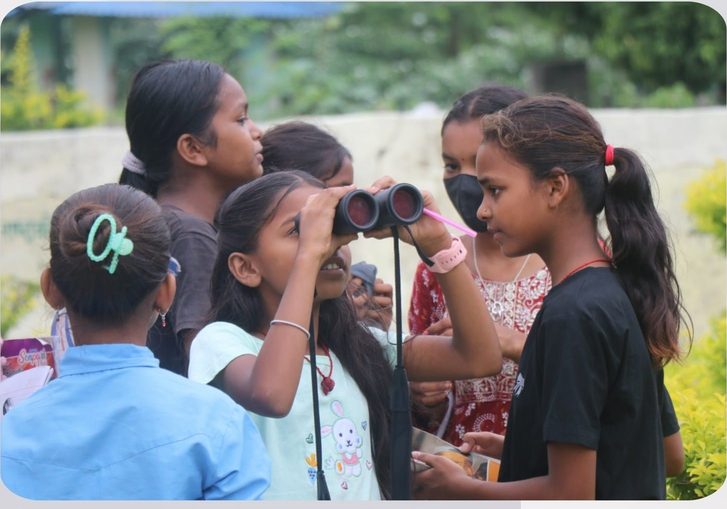
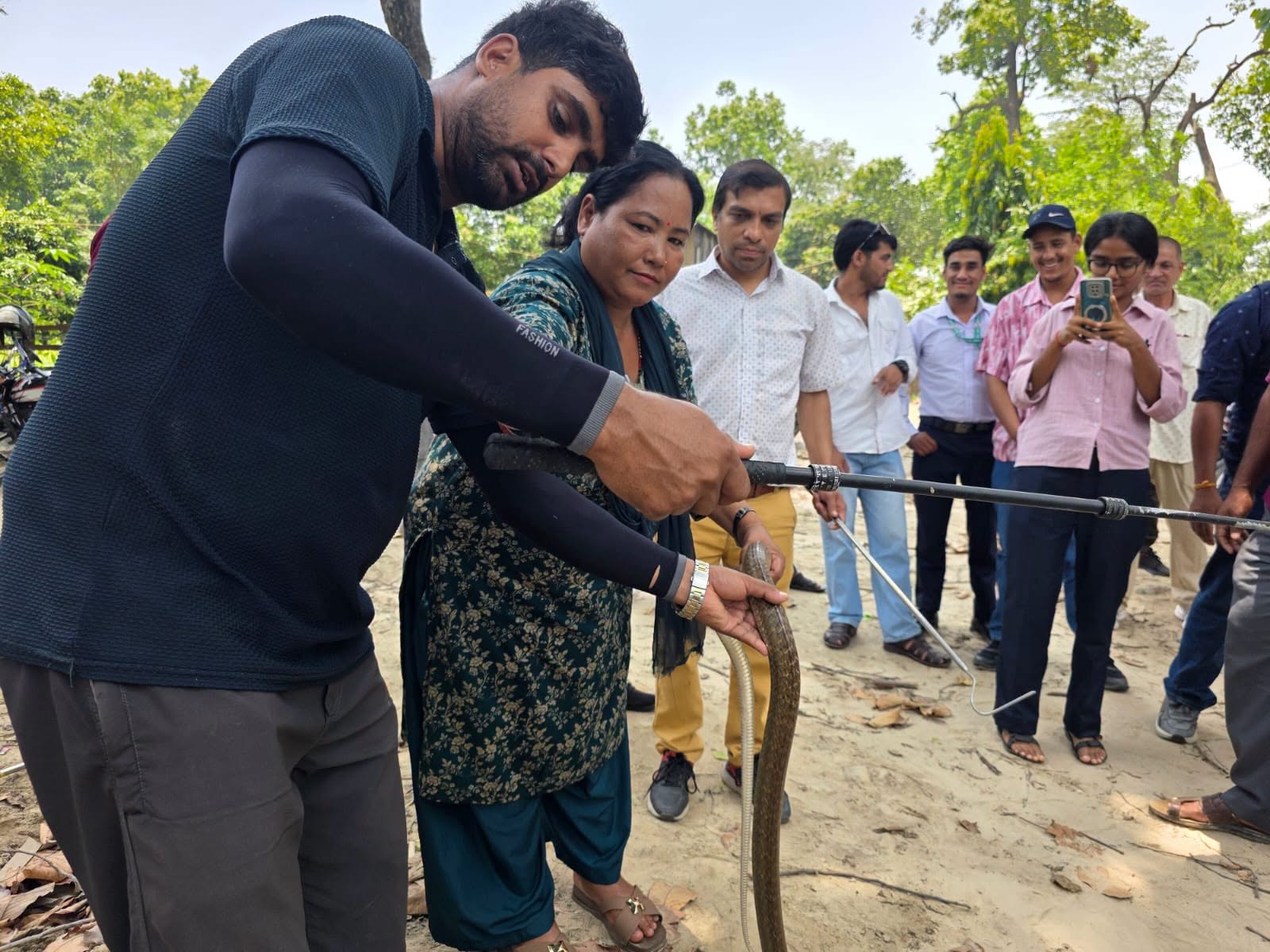
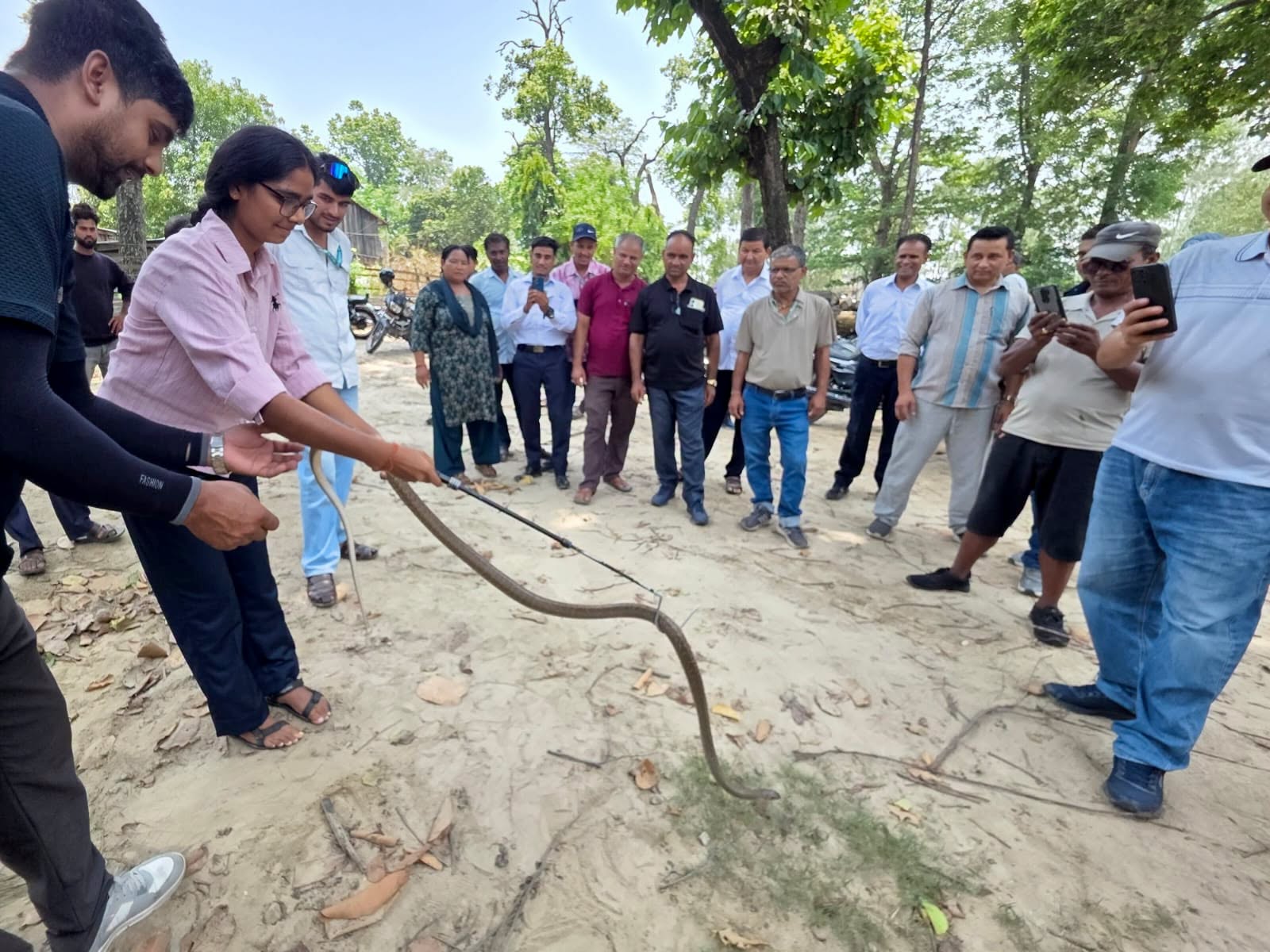
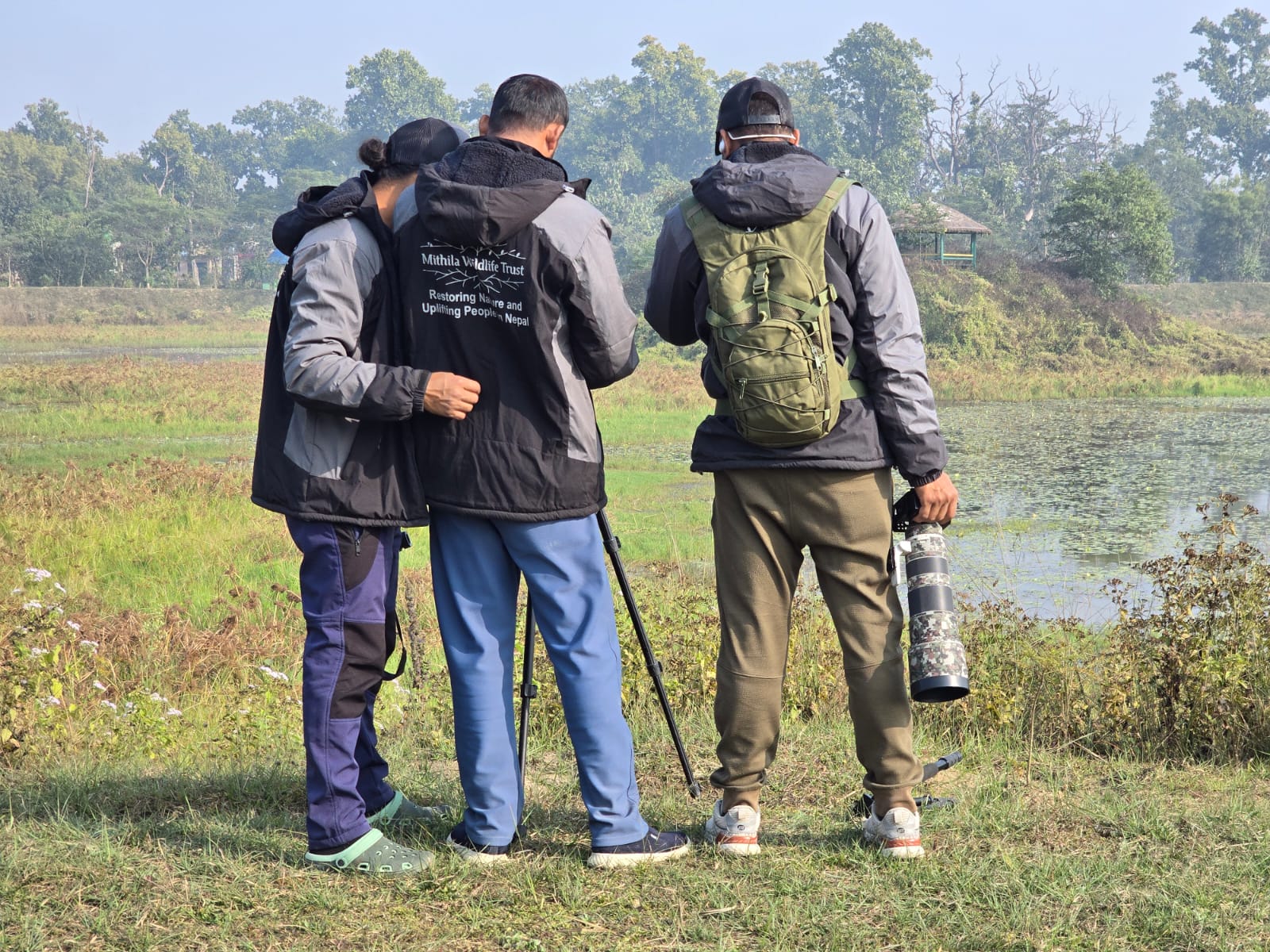
Our Mission
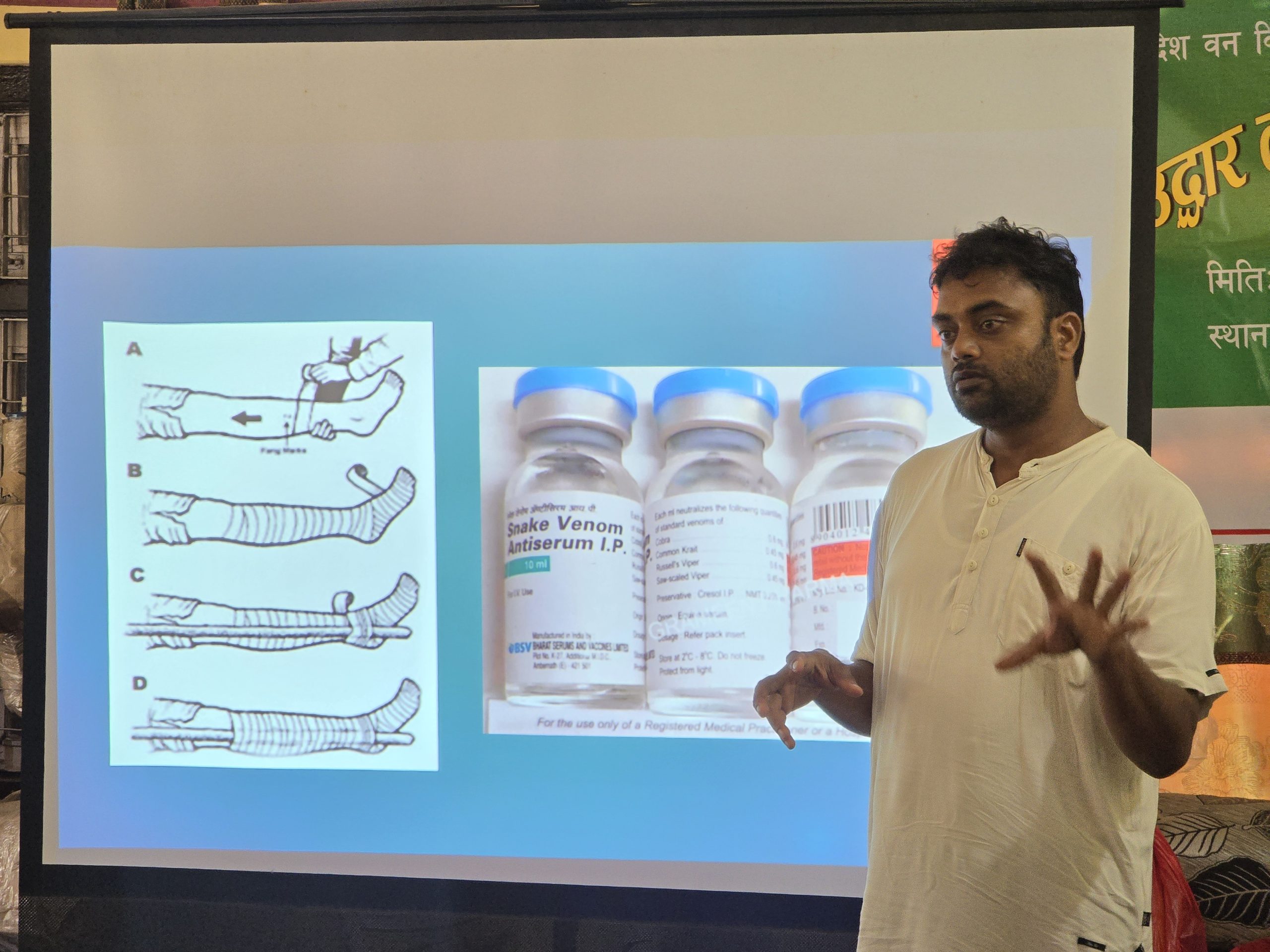
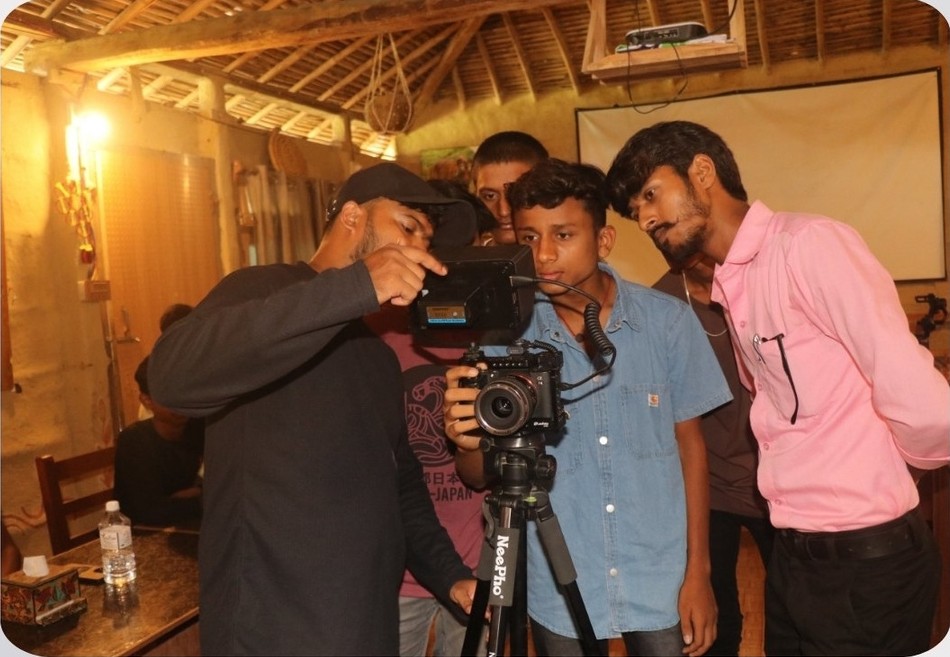
To empower local communities to restore ecosystems, conserve wildlife, and build climate-resilient livelihoods in southern Nepal through inclusive, community-led conservation, environmental education, habitat restoration, and wildlife rescue and rehabilitation.
Animals Rescued
Reptile, Amphibian, Avian, Ungulate, and Mammal throughout Province No.-2.
Project Implemented
Wildlife conservation, Habitat Restoration and Humanitarian job.
Conservation Education Program
Organized awareness-raising activities in the working area.
Hectors Habitat Restored
In collaboration with local community and Department of Forest.
Part of the Achievements
– Dhanushadham Forest Conservation Area announced as Open Grazing and Illicit Felling Free Zone at Zeero budget.
– 2 Community Forests in Makawanpur district announced as World’s First Community Managed Pangolin Conservation Area. Replication of the same modality is going on in another 2 community forests of Dhanusha district.
– 360+ Alternative Livelihoods created for financially marginalized communities of 4 CFUGs.
– Bhatighari CFUG, Dhanusha ranked First position as best managed community forest in the nation, awarded by Ganeshman Singh Consrevation Award in the Year-2021.
– Restoration of 51 hectare river bank in Shiwalik Chure range with 93%+ survival rate through traditional plantation method.
– Created 3 numbers of dense forest patches using Miyawaki Plantation method in Mithila Bihari Municipality, Dhanusha, Madhesh Province.


You can Support us in many ways!
Nepal’s Madhesh Province faces intense human-wildlife conflict, making community-based conservation both urgent and essential. As the most densely populated province in the country with the smallest share of natural resources, every drop counts!
Reach out to explore how you can get involved—we are always eager to collaborate with partners, volunteers, and supporters who share our vision.