Dhanusadham Wildlife Corridor
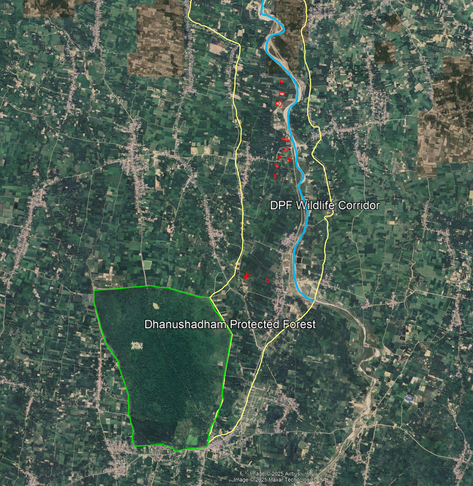
The Dhanushadham Protected Forest (DPF) is a biodiversity hotspot and the last major patch of untouched forest left on Nepal’s eastern Terai plains.
Wildlife migrates to and from DPF to the Chure Hills in the north following the course of the Baluwa River. This essential corridor is currently dominated by open farmland and so there is little refuge for migrating wildlife.
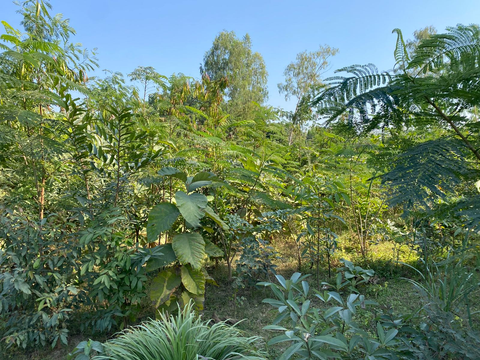
Through a community-based approach we are working to plant vital stepping-stones of native forest to provide safe passage for wildlife, utilising the Miyawaki planting method.
In the process we are supporting farmers with agroforestry, promoting alternative livelihoods for women through community banking loans, and developing community learning centres to provide free education for children.
Reforestation
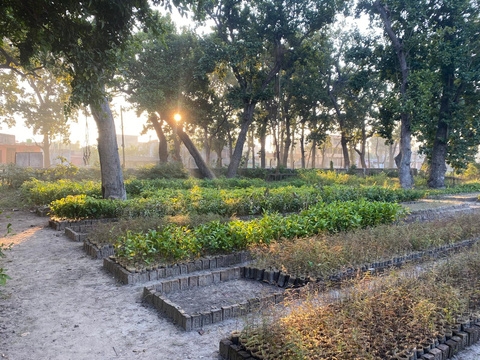
Phase 1 of the project has seen the successful planting of 13 Miyawaki forests in the southern section of the corridor on farmland that was purchased by MWT, with the help of Pipal Tree fundraising. Support has come from the local Forestry Office in growing and supplying MWT with all the native trees that are required for the Miyawaki plantations. Where ponds are not already present these have also been created adjacent to help with irrigation and provide additional habitat for wildlife.
Phase 2 of the project hopes to double this number and plant an additional 26 forests.
Agroforestry
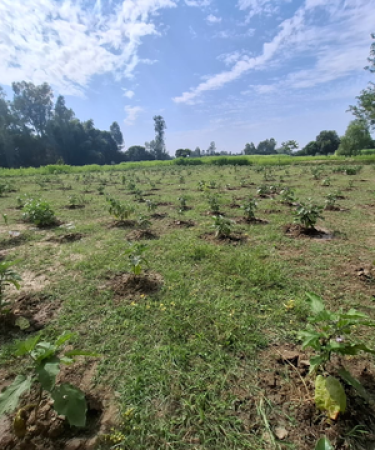
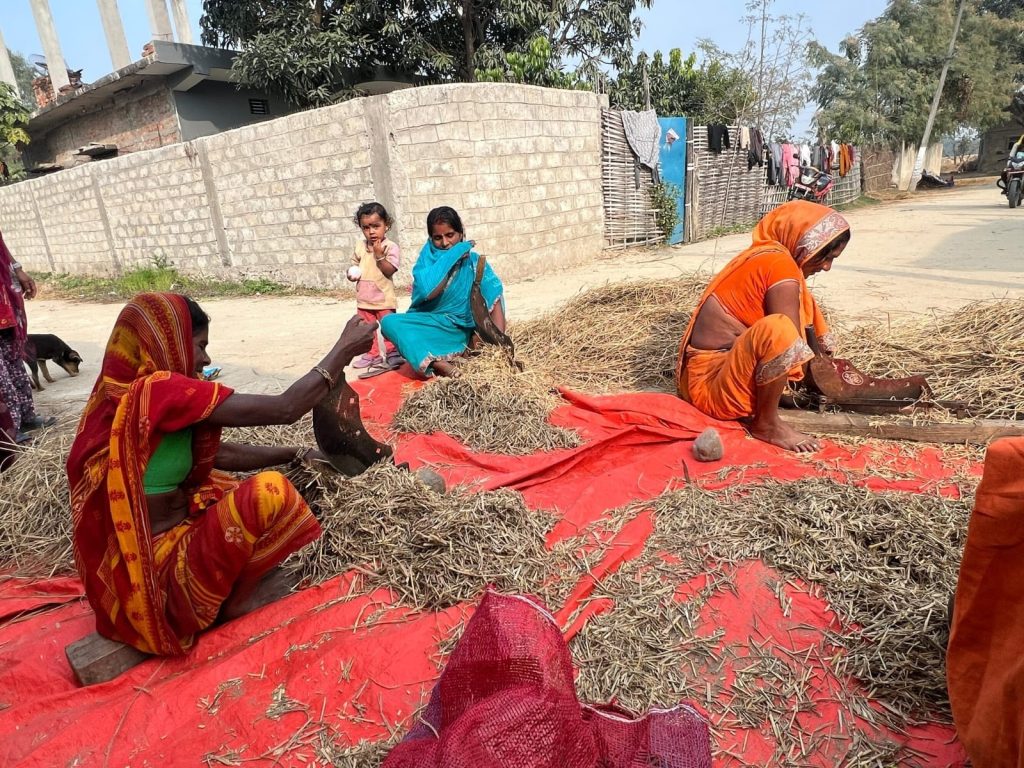
In collaboration with The Green Intelligence (GI), local farmers have received support and training on implementing agroforestry methods. This benefits farmers by diversifying income sources and improving food security. Income can be generated from multiple products, such as timber, fuelwood, fodder, fruits and annual crops, which reduces the need to purchase these or extract resources from native forests.
Importantly for the DPF wildlife corridor, agroforestry provides additional connectivity between fragmented forest patches, whilst increasing the diversity of plants, pollinators and natural pest enemies across the landscape. It also helps to buffer the impacts of climate change by providing more resilience to farmers against extreme weather events.
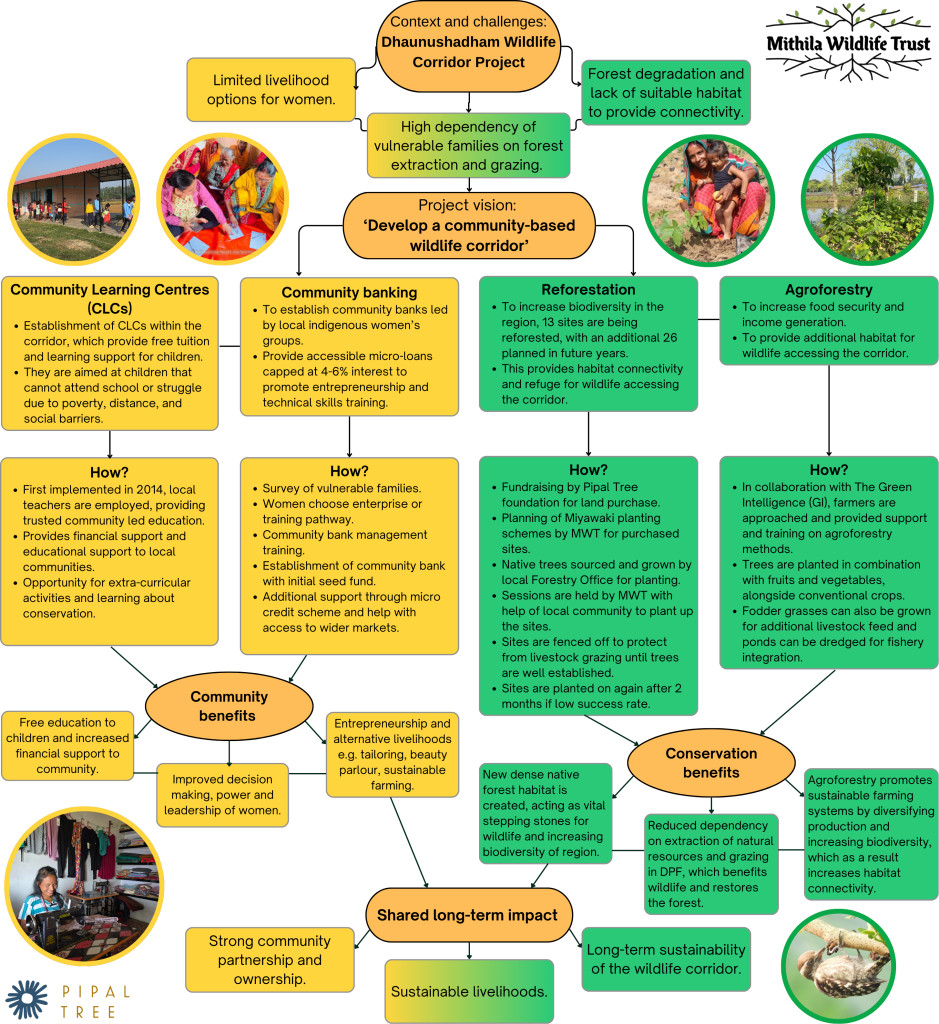
DWC Project Process
Community banking
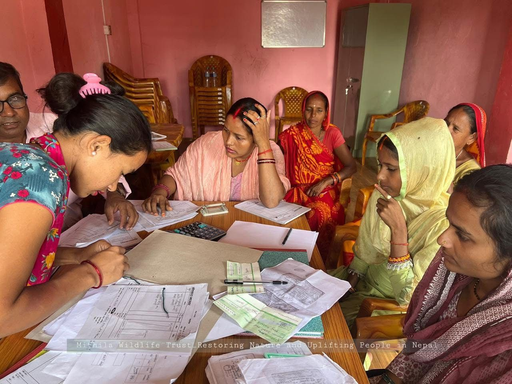
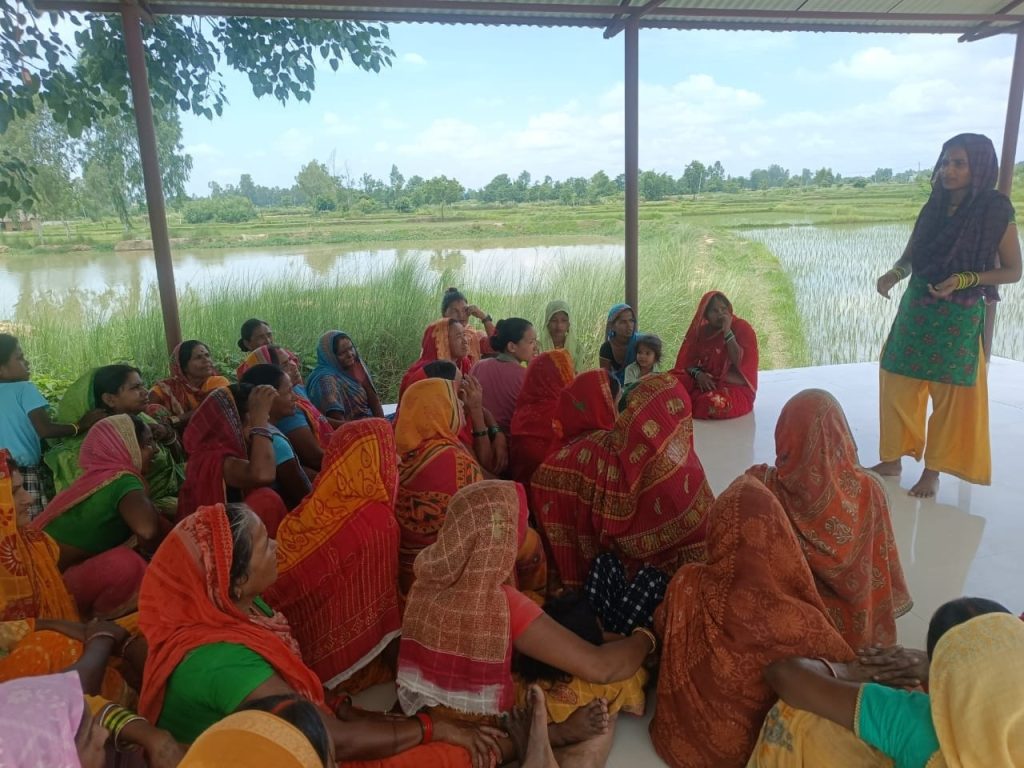
In 2024 the first women’s community bank was set up as a part of this project. The community bank offers microloans to women so that they can pursue additional livelihood opportunities and entrepreneurship.
Further training and support is provided to ensure the success of these livelihood opportunities and build skills in finance and resource management.
Recipients of loans are approved by the group themselves which ensures shared responsibility of loan repayments. Loans are all capped at 4-6% ensuring fair and reasonable interest rates.
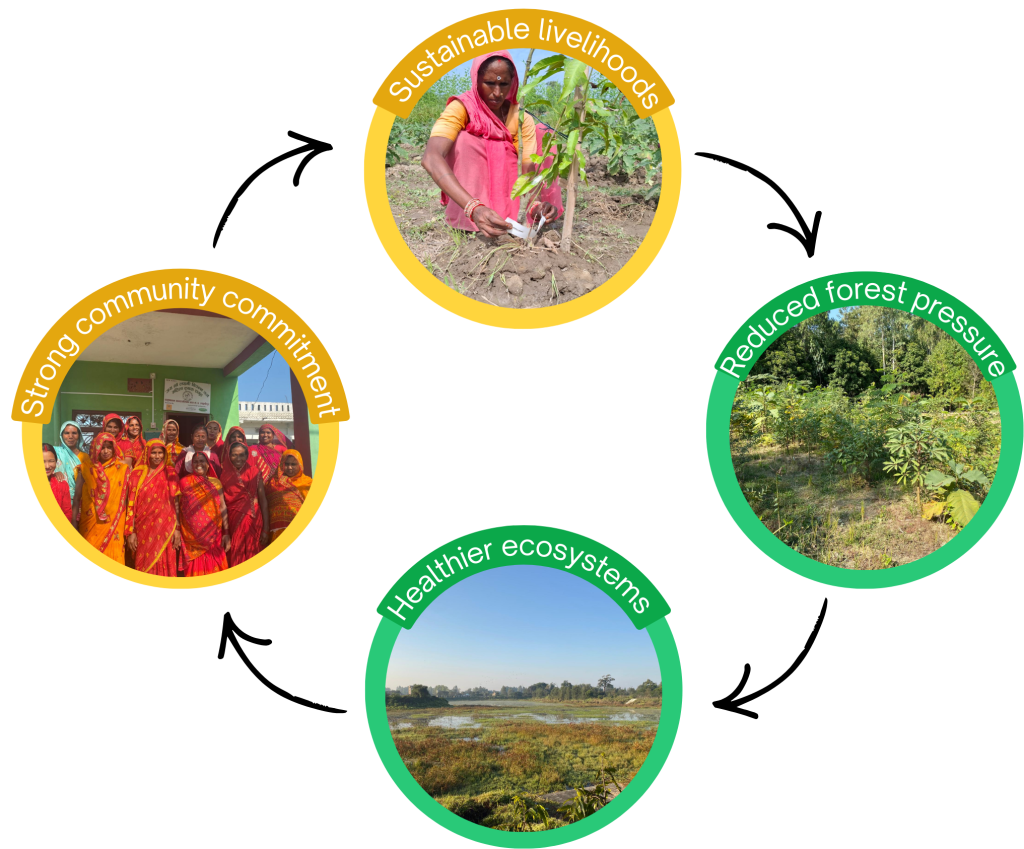
These community led finance systems are about investing in people and nature simultaneously, fostering a sustainable future for both.
Community Learning Centres (CLCs)
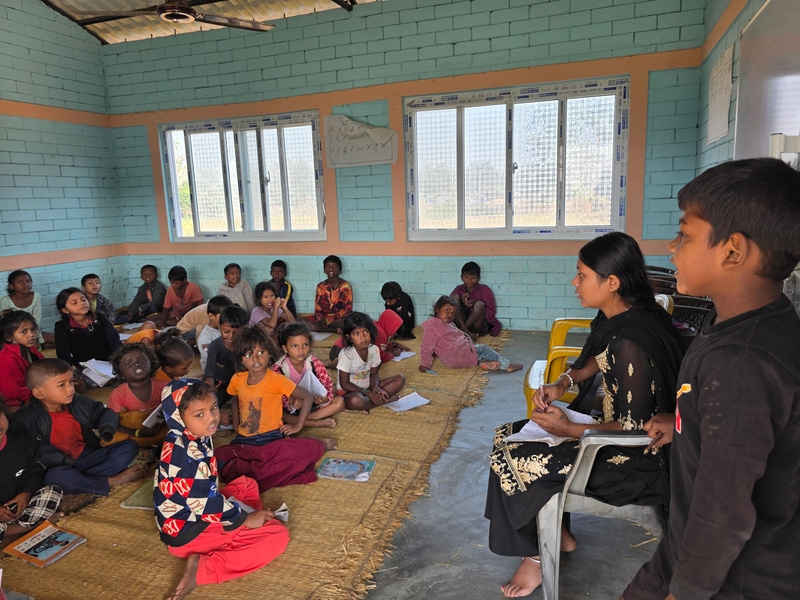
These community-run learning hubs provide free education and vital support for disadvantaged children in the region.
Teachers are employed from the local community, helping support community development and empowerment of local people.
They are a non-formal space that teach literacy and numeracy, but also subjects beyond basic education, providing extra-curricular activities and education around topics such as wildlife conservation, helping to promote community goodwill
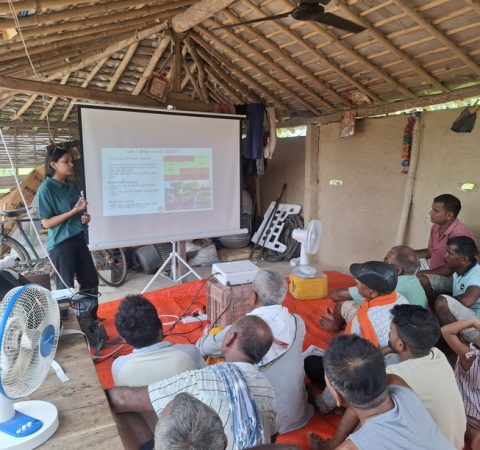
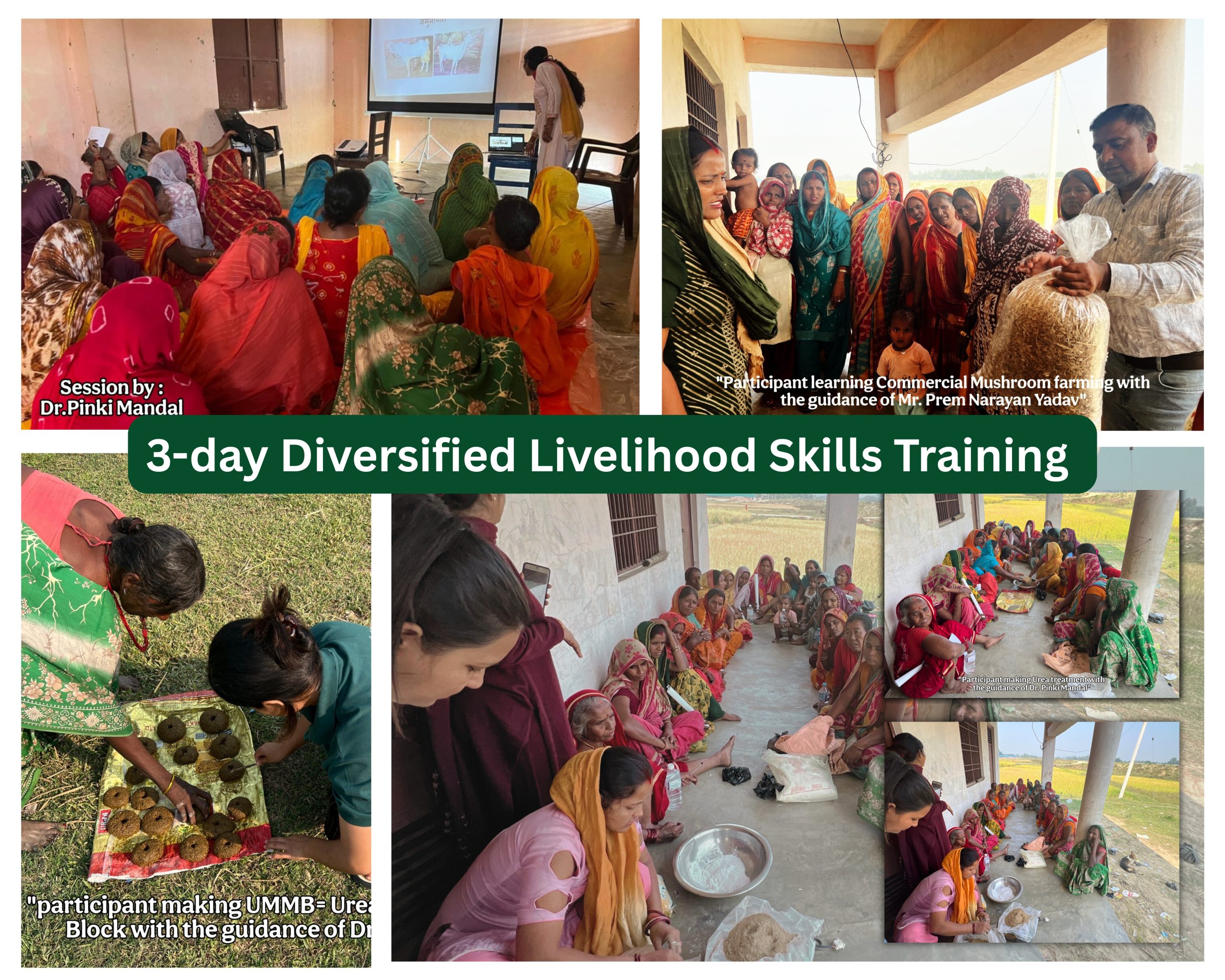
Successfully conducted a 3-day Diversified Livelihood Skills Training
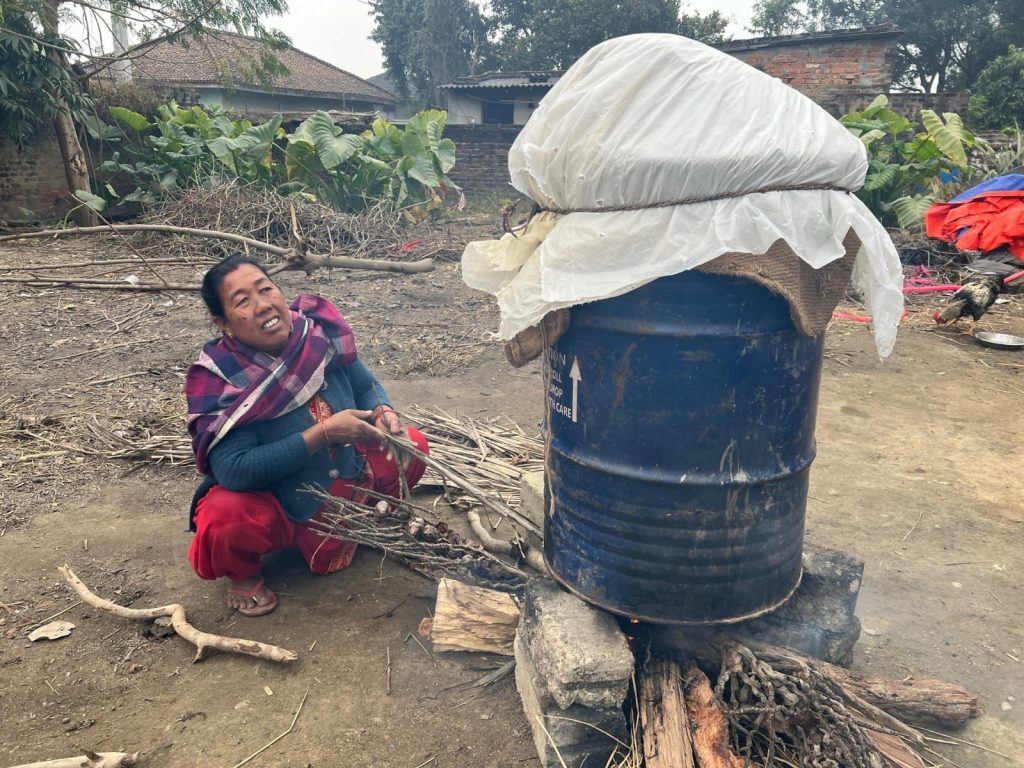
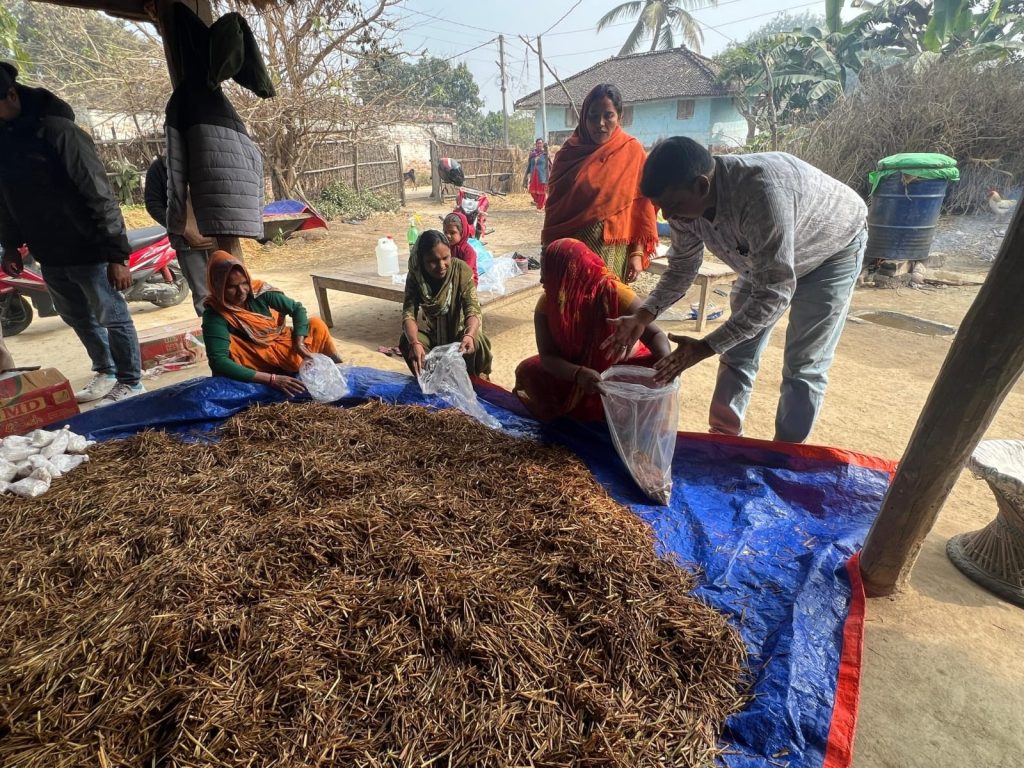
Mithila Wildlife Trust successfully conducted a 3-day Diversified Livelihood Skills Training from 9–11 November 2025 for a newly formed sub-group of Jay Ma Laxmi Bipanna Barga Mahila Krishak Samuha under the Dhanushadham Wildlife Corridor Project, with the support of The Pipal Tree. The training provided practical knowledge on commercial farming, mushroom cultivation, buffalo rearing, and other climate- and wildlife friendly agricultural practices, with sessions facilitated by Dr. Pinki Mandal and Mr. Prem Narayan Yadav. The program aimed to improve household income opportunities, reduce pressure on forest resources, and promote coexistence between communities and nature through sustainable livelihood options. A total of 35 participants actively took part in the training, strengthening local capacity for long-term conservation-linked development.
Women Rising Through the Dhanushadham Wildlife Corridor Project