

Resources for a better understanding of nature.
Explore MWT’s research, species guides, educational posters and field findings from the forests, wetlands and communities of Nepal.
Research, guides and field knowledge.
These resources are available for students, researchers, conservation workers, educators and anyone who wants to learn more about Nepal’s biodiversity.
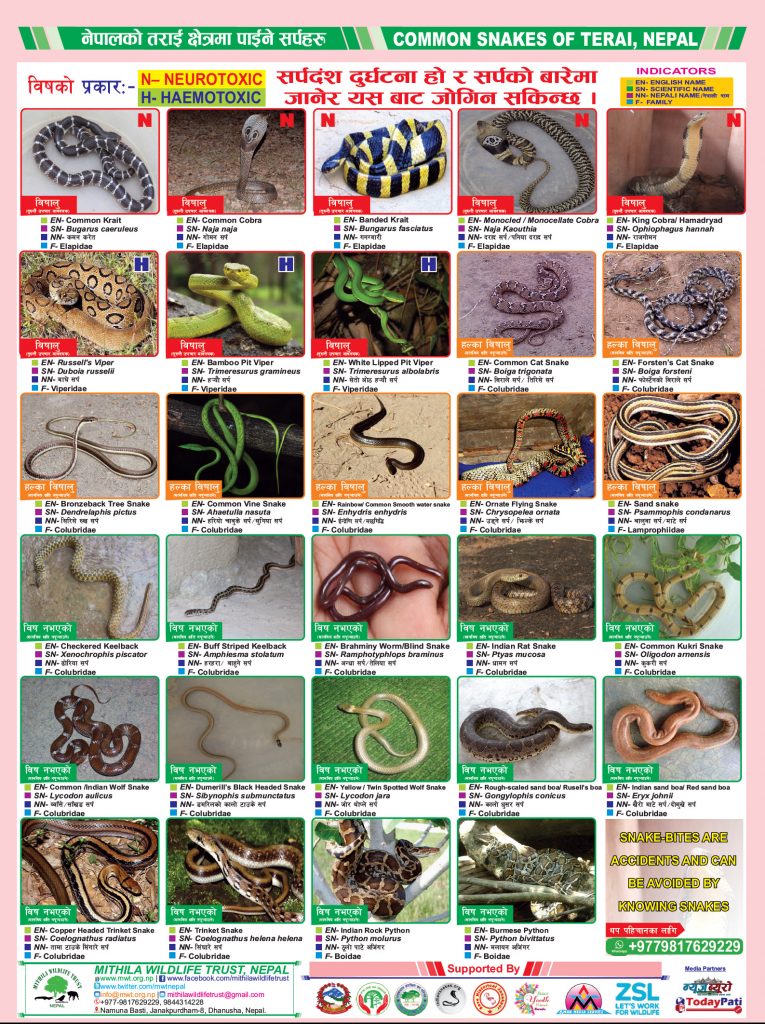
Snakes of the Terai
A visual guide to common snakes found across the Terai region of Nepal.

Protection from Snakebite
Practical information to help communities understand snakebite prevention and response.

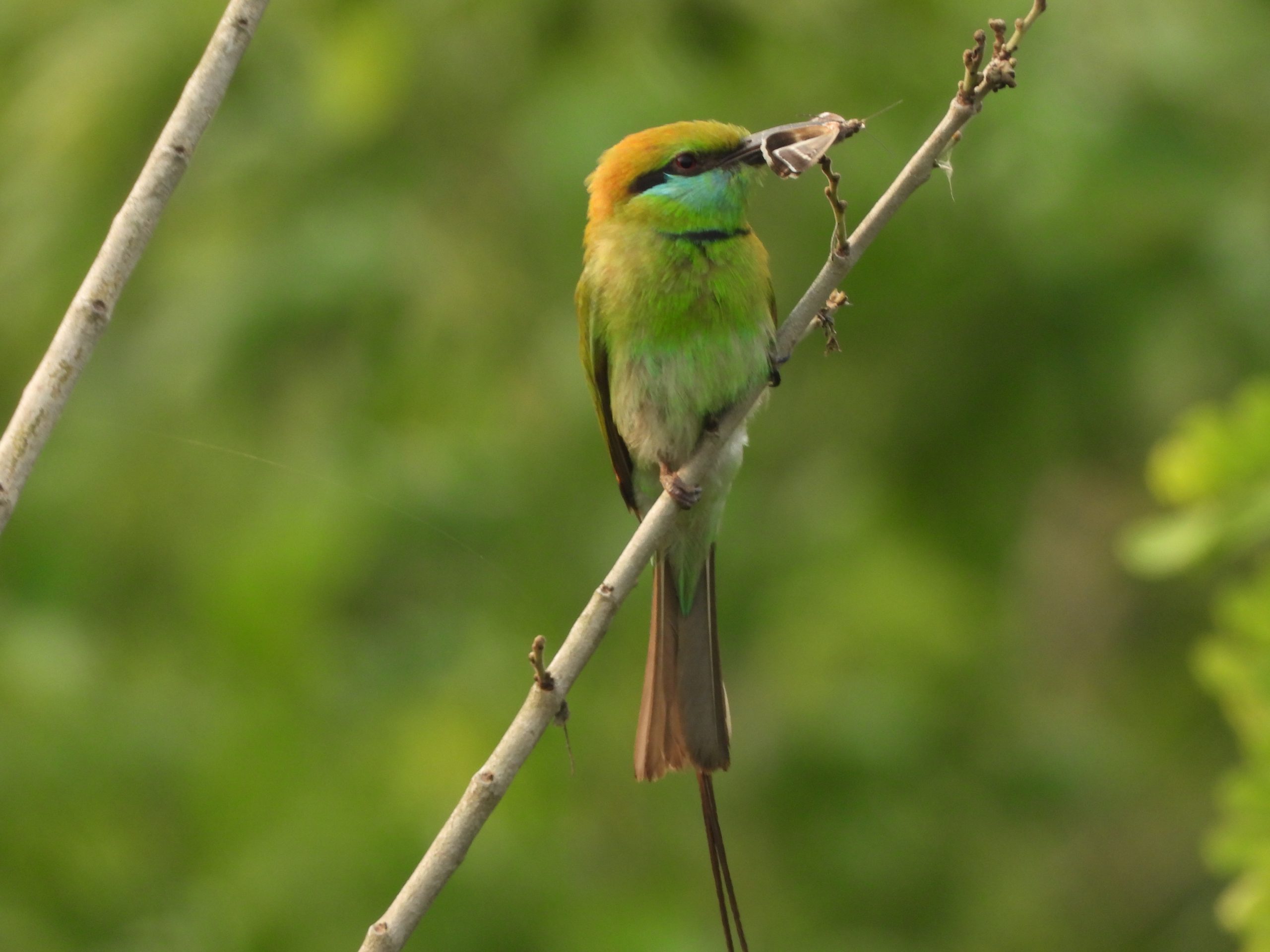
Bee-Eaters of Nepal
Learn about the colourful bee-eater species recorded across Nepal and their habitats.

Birds of Janakpurdham
A field resource documenting the bird diversity of Janakpurdham and its surrounding landscape.

Birds of Dhanushadham
A visual record of bird species found around the Dhanushadham forest and surrounding habitats.

Birds of Bhatigadhi Community Forest
A field guide to the bird species recorded in Bhatigadhi Community Forest.

Birds of Pokhari Damar
A visual guide to the bird species found around the Pokhari Damar wetland landscape.
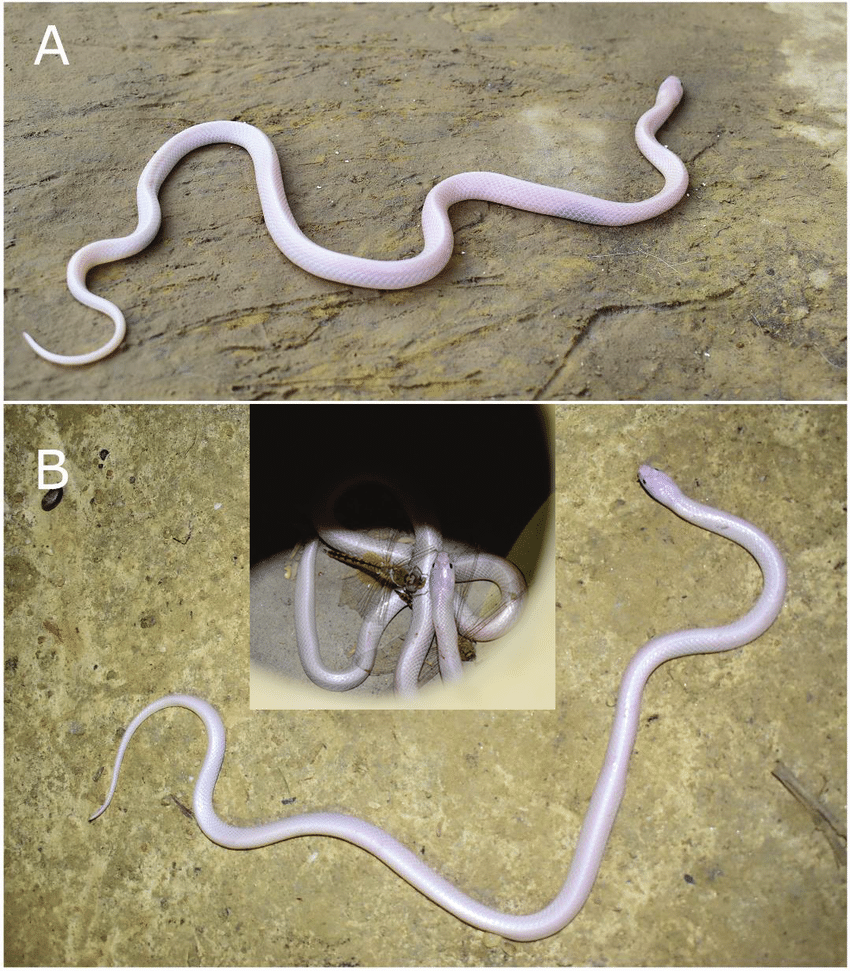
Leucism in Two Species of Kraits
A research paper documenting leucistic colour variation in two species of kraits.

A Golden Turtle in Nepal
The first country record of chromatic leucism in the Spotted Northern Indian Flapshell Turtle.
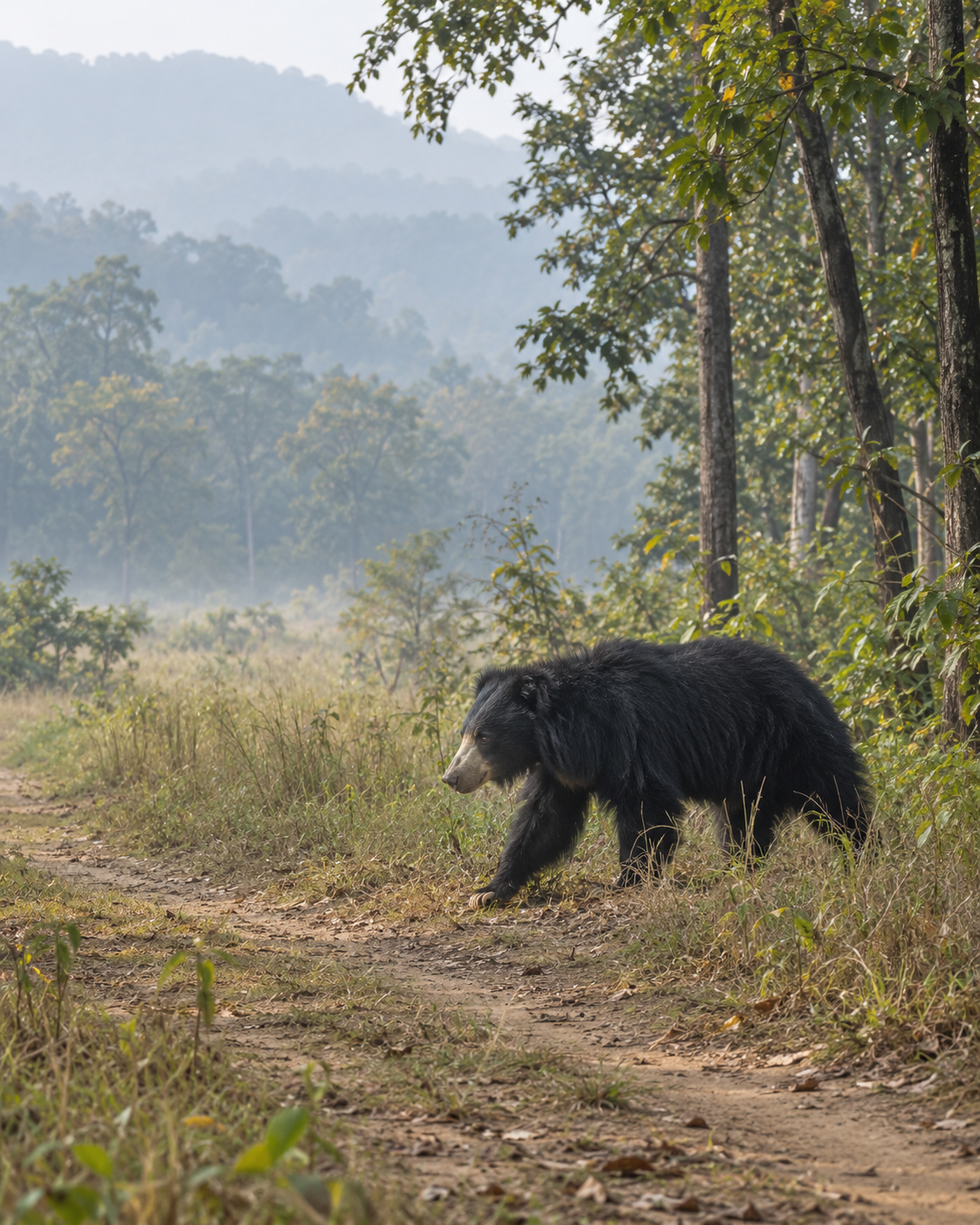
Factors Affecting Sloth Bear Occupancy
Factors affecting the occupancy of sloth bear and its detection probability in the Parsa–Koshi Complex, Nepal.
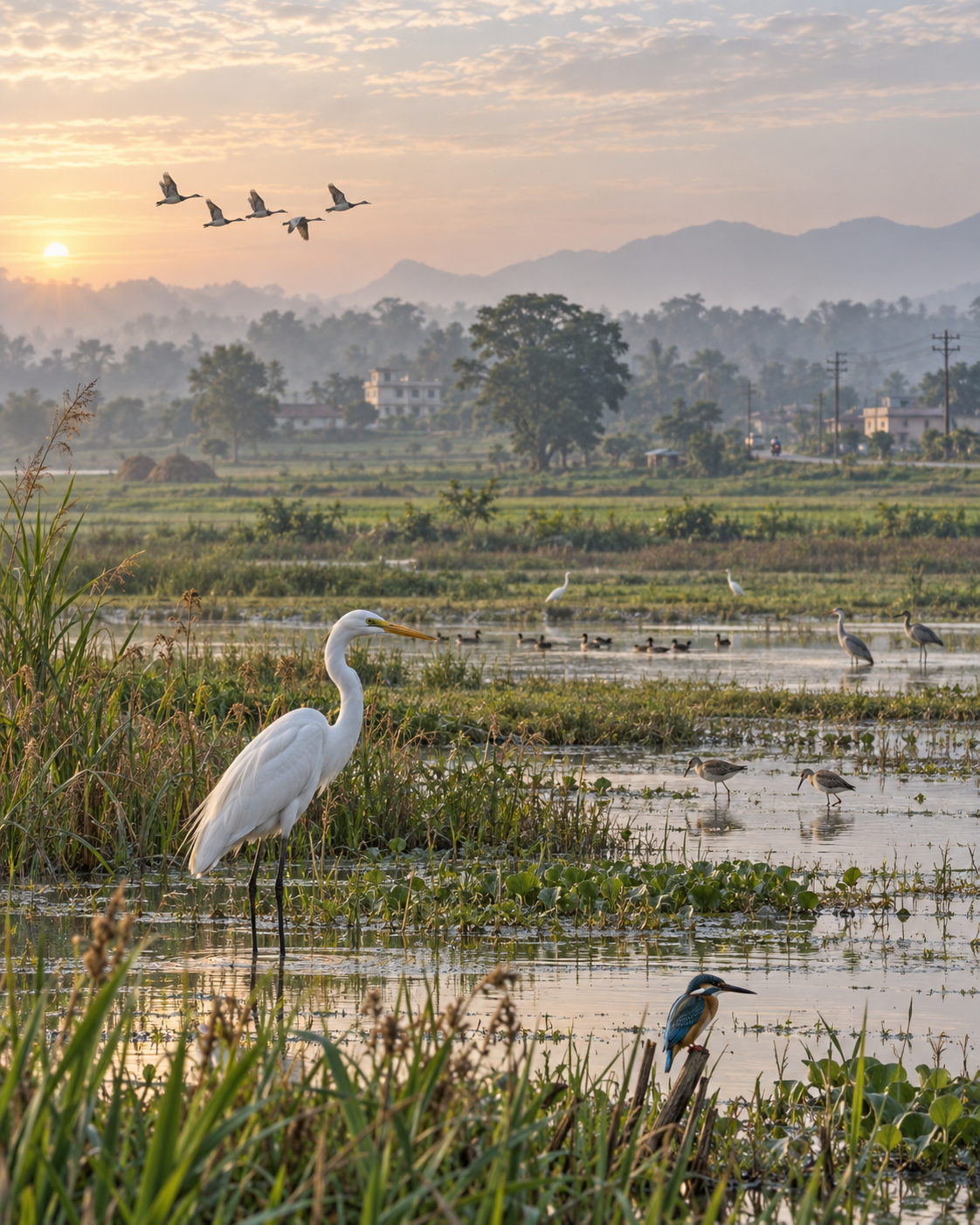
Anthropogenic Pressures and Bird Diversity
How human pressures drive the multidimensional homogenisation of bird diversity in a South Asian landscape.
A Golden Turtle in Nepal: First Country Record
A published record of chromatic leucism in the Spotted Northern Indian Flapshell Turtle, Lissemys punctata andersoni.
Vertebrate Fauna of Madhesh Province
A study of vertebrate diversity and conservation status across Madhesh Province, Nepal.
Good conservation begins with good knowledge.
Have a question about a resource, species or field study? Contact MWT to learn more about our research and conservation work.