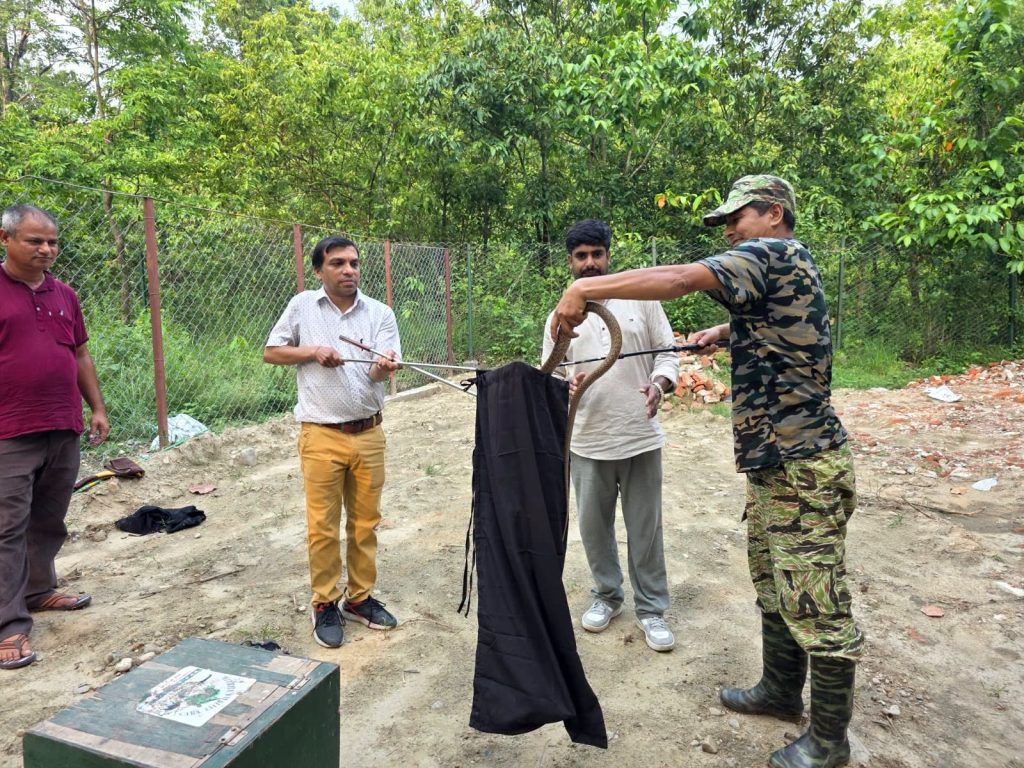
In Nepal’s southern plains, a snake in a home, school, farm, or public space can quickly become an emergency. Communities may be frightened, attempts to remove the animal may be unsafe, and both people and snakes face the risk of injury or death.
A fast, skilled local response can change that outcome.
Mithila Wildlife Trust is working to strengthen the capacity of frontline responders so that wildlife emergencies—especially snake-rescue incidents—can be managed safely, professionally, and closer to the communities that need help. Our approach is based on a simple principle: people who are already present at the local level should have the knowledge, confidence, and systems needed to respond before fear turns into harm.
We support training for local-level police and emergency responders, who are often among the first people contacted when a snake enters a human settlement. At the same time, we are training local forest department personnel, including forest guards and Armed Forest Guards, to ensure that sufficient trained snake rescuers are available within districts rather than only in distant district headquarters.
This locally rooted model reduces response delays and unnecessary travel costs. It also improves safety for communities while preventing the indiscriminate killing of snakes—many of which play an important ecological role by controlling rodent populations.
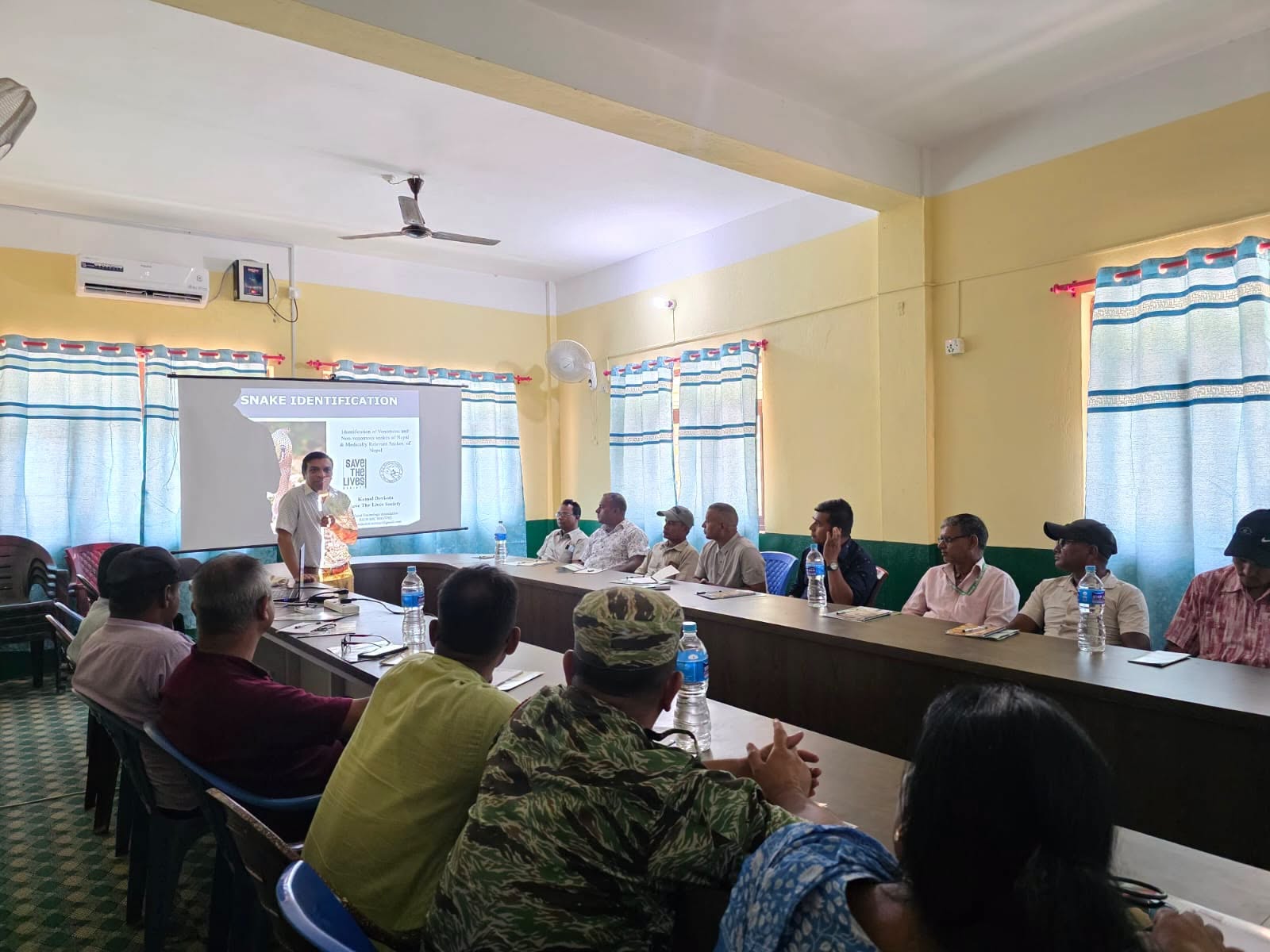
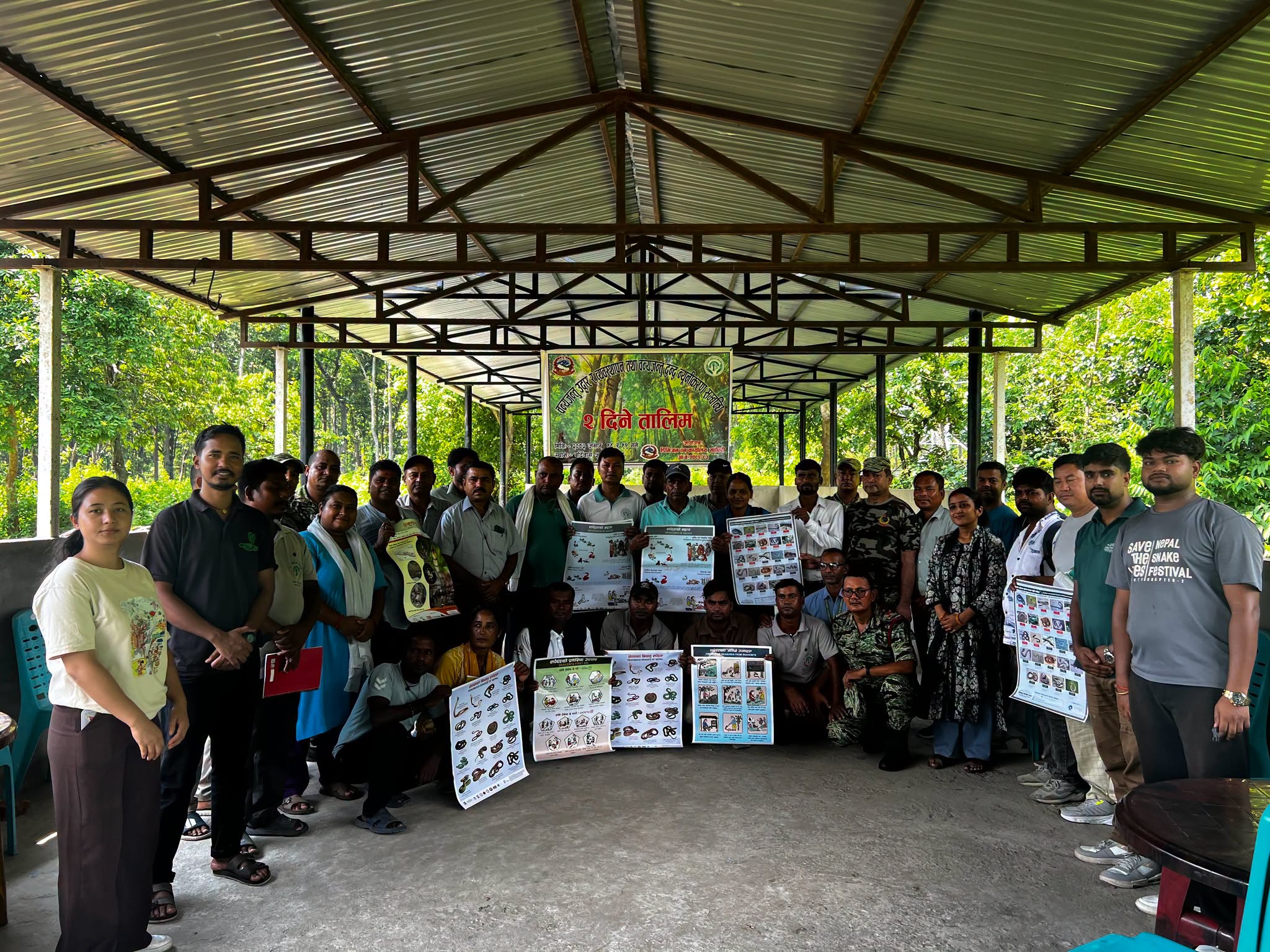
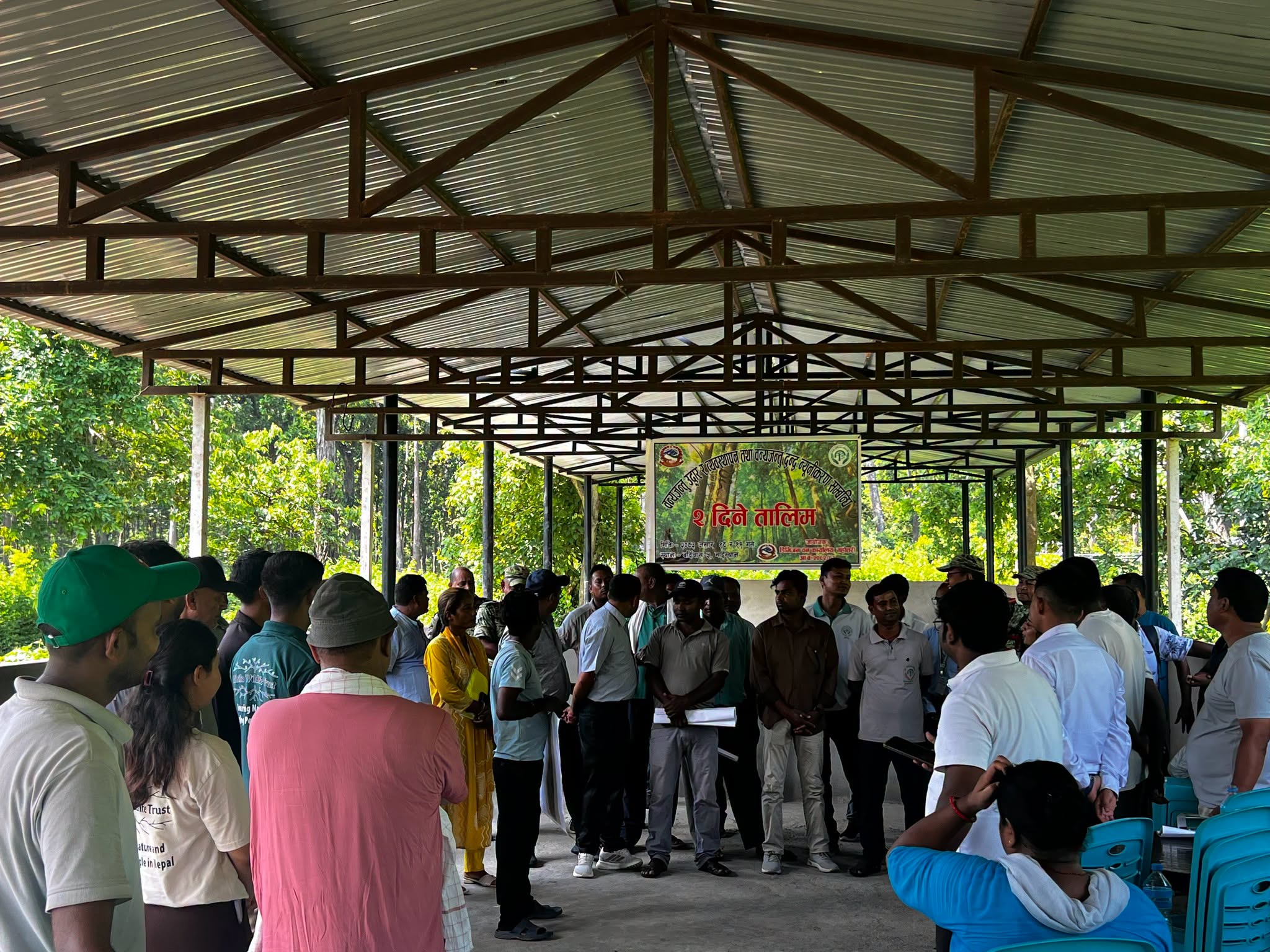
Recent collaborations demonstrate how capacity building can create practical, lasting impact. In Mahottari, Mithila Wildlife Trust provided technical support for a two-day Wildlife Rescue, Management and Human–Wildlife Conflict Mitigation Training organised by the Division Forest Office, Mahottari. The programme brought together forest officers, forest guards, Armed Forest Guards, and representatives of community and collaborative forests. Participants strengthened their skills in wildlife rescue, safe handling, emergency response, and conflict mitigation through both classroom learning and hands-on demonstrations.
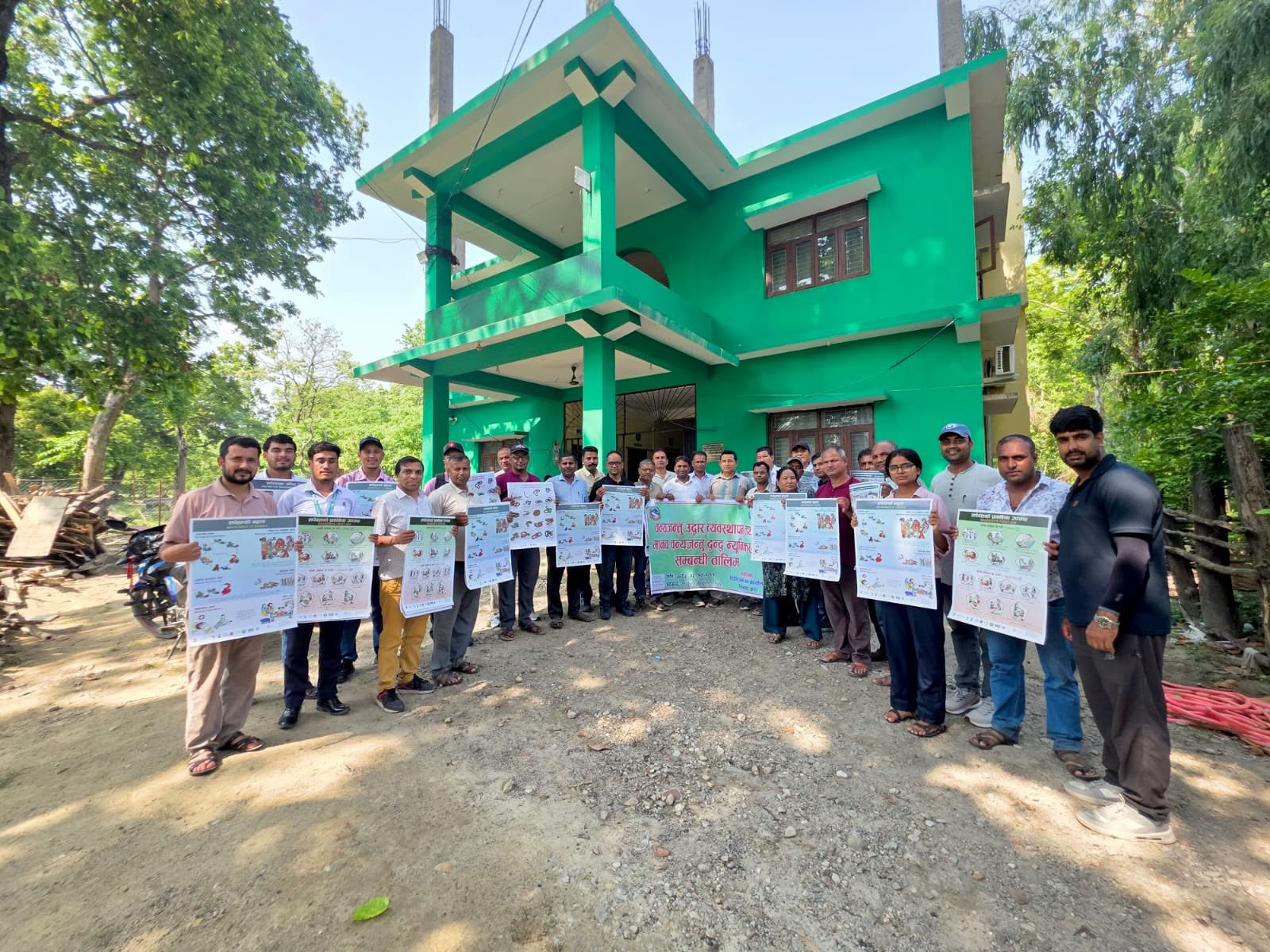
Similarly, in Bara, Mithila Wildlife Trust and Save The Lives Society provided technical support for a two-day training organised by the Division Forest Office, Bara. Held at Gadhimai Collaborative Forest in Pathlaiya, the training engaged 55 frontline participants, particularly Armed Forest Guards. It covered wildlife rescue techniques, safe handling, rescue protocols, human–wildlife conflict mitigation, and practical snake-handling and rescue skills.
These trainings do more than transfer technical knowledge. They build a network of capable responders who can act calmly in high-pressure situations, advise communities appropriately, coordinate safe rescue, and contribute to responsible wildlife management.
For international donors, supporting this work means investing in a practical and scalable conservation solution. Funding can help expand training to more municipalities and districts; equip local responders with essential safety gear; develop emergency-response protocols and referral networks; and deliver community awareness programmes that reduce fear and prevent unsafe behaviour.
The need is urgent, but the solution is achievable. When municipal responders, local police, forest personnel, and community institutions are equipped to respond safely, communities become more secure and wildlife has a better chance of survival.
Mithila Wildlife Trust is committed to working with government agencies, local communities, conservation partners, and donors to build this frontline capacity—one trained responder, one municipality, and one district at a time.